·4 min read·By Villa de Marcos Team
South or North Tenerife: Where Should You Stay?
Sunny beach south vs green historic north — the honest trade-offs on weather, beaches, culture and prices, and which side suits your kind of holiday.
Share:WhatsApp
In this article
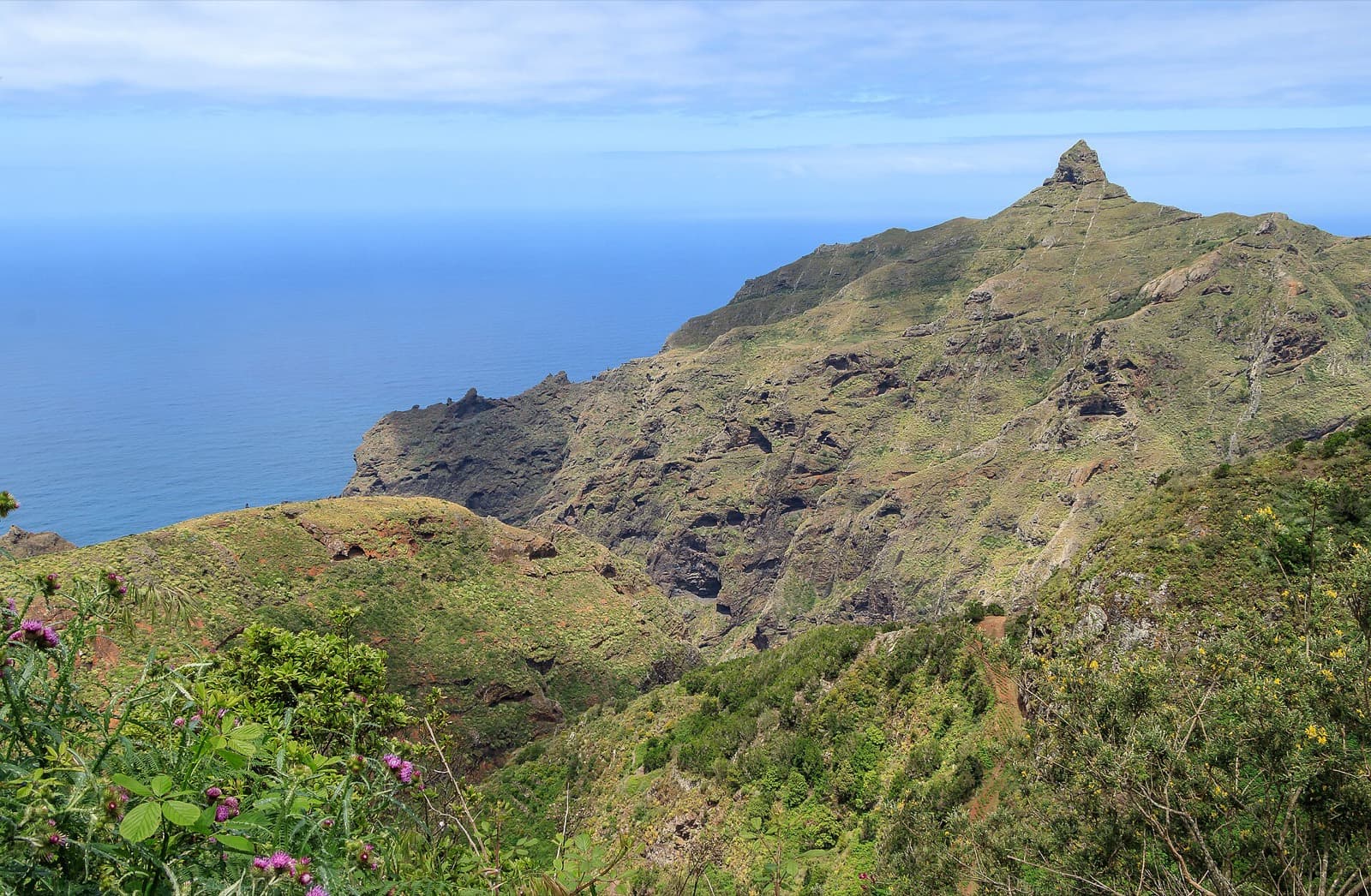
Tenerife is really two islands wearing one name. Mount Teide's 3,718-metre bulk splits the weather in half: the north catches the moist trade winds and stays green, lush and often cloudy; the south sits in the rain shadow and stays dry and sunny nearly all year. Where you stay shapes the entire holiday.
Here's the honest breakdown.
The Basics
| South | North | |
|---|---|---|
| Weather | Sunny, dry, warm year-round | Greener, cooler, cloudier |
| Beaches | The island's best swimmable beaches | Rock pools, rough surf, black sand |
| Character | Resorts and residential villages | Historic towns, banana terraces, forest |
| Culture | Limited | La Laguna (UNESCO), La Orotava, Garachico |
| Hiking | Arid coastal walks, Teide access | Anaga and Teno laurel forests |
| Airport | TFS, 15–20 min from resorts | TFN, mostly domestic routes |
| Best for | Beach holidays, families, winter sun | Hikers, culture trips, second visits |
Weather — the Deciding Factor for Most People
This is the big one, and it's not subtle. In winter, the south regularly sits at 20–22°C under clear skies while the north is several degrees cooler under cloud, with real chances of rain. Summer narrows the gap, but the south stays the sunnier bet all year.
If you're coming between November and March — the classic escape-the-UK-winter window — the south is close to a guarantee and the north is a gamble. We've covered what southern winters actually feel like in Tenerife in winter.
Verdict: For sun-first holidays, the south wins decisively.
Beaches and Swimming
The south owns this category. El Médano, La Tejita, the serviced resort beaches, and the quiet volcanic coves around Costa del Silencio — calm, swimmable water is a southern speciality.
The northern coast is dramatic rather than swimmable: black sand, serious Atlantic surf, and beautiful natural rock pools (Garachico's are famous) that fill the gap. Puerto de la Cruz solved the problem decades ago by building the Lago Martiánez seawater complex.
Verdict: South for actually getting in the sea; north for admiring it.
Culture, Towns and Green Landscapes
Here the north pulls ahead. San Cristóbal de La Laguna is a UNESCO World Heritage city; La Orotava's old town is stuffed with Canarian balconied mansions; Garachico and Icod de los Vinos are genuinely lovely. Behind them rise the Anaga and Teno mountains — ancient laurel cloud-forest with the island's best hiking.
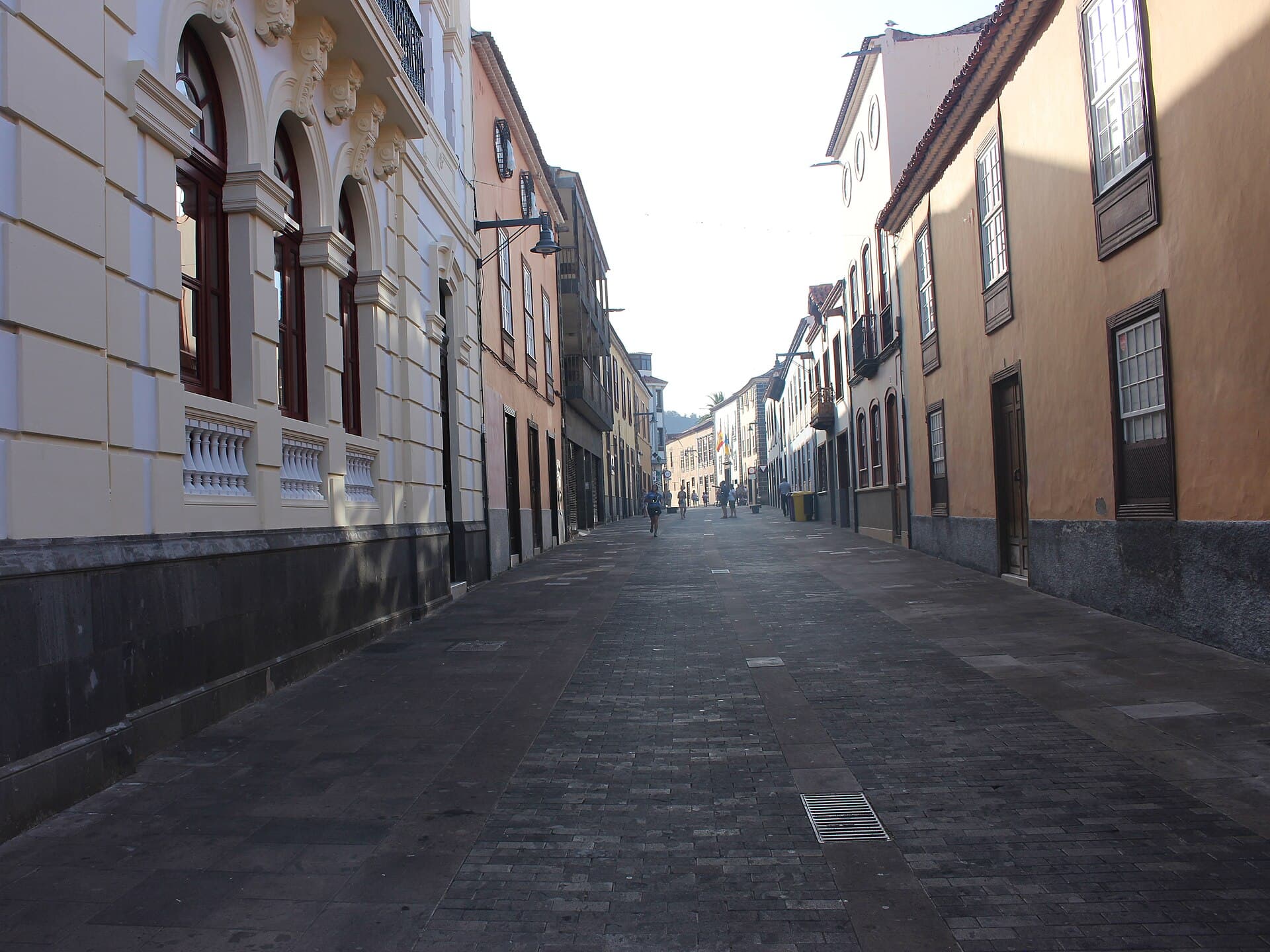 Photo: ArticCynda, CC BY-SA 4.0

The south's culture is thinner — it grew up around tourism. Its compensations are day-trip access to everything (nothing on the island is much more than 90 minutes away) and pockets of real local life in fishing towns like Las Galletas and Los Abrigos, next door to Costa del Silencio — see things to do in the area.
Verdict: North for culture and greenery — but all of it is day-trippable from a southern base.
Book direct and save 5%
We'll email you a discount code for booking Villa de Marcos with no platform fees. One email, no spam.
The Practical Play: Sleep South, Day-Trip North
For most visitors — and virtually everyone coming with a family or a group — the winning formula is a southern base with northern day trips:
- La Laguna + Santa Cruz — 1 hour from Costa del Silencio
- La Orotava + Puerto de la Cruz — about 1 hour 15
- Teide National Park — 1 hour 15, and you cross it en route to the north anyway
- Anaga forest — about 1.5 hours, worth the early start
You get guaranteed sun at home base, the island's best pools-and-beaches daily routine, and the north's highlights on your own schedule. Doing it in reverse — sleeping north, day-tripping to southern beaches — means driving to find sun on any cloudy day, which gets old fast.
Who Should Stay Where?
Stay in the south if:
- Sun and beaches are central to the trip
- You're travelling in winter
- You're a family or larger group that wants a villa with a pool
- It's your first visit and you want the greatest hits
Stay in the north if:
- Hiking the laurel forests is the main event
- You've done the south before and want the other Tenerife
- You prefer historic towns to beach time
- Cooler, greener weather sounds like a feature, not a bug
Flying into Tenerife South (TFS) and staying in the north means a 1–1.5 hour transfer across the island on arrival. If you're basing yourself in the south, you'll be at your accommodation 20 minutes after leaving the terminal.
Frequently asked questions
Is the south or north of Tenerife better for a holiday?
For most visitors — especially first-timers, families and anyone coming for beach weather — the south is the better base: it is sunnier, drier and has the best swimmable beaches. The north rewards travellers focused on hiking, greenery and historic towns.
Why is southern Tenerife sunnier than the north?
Mount Teide blocks the moist trade-wind clouds coming from the northeast, so they pile up over the north while the south stays in a dry rain shadow. The south gets significantly more sunshine hours, especially in winter.
Can you swim in northern Tenerife?
Yes, but the Atlantic is rougher there. The north relies on natural rock pools (like Garachico's) and protected complexes such as Lago Martiánez in Puerto de la Cruz. The calm, swimmable beaches are overwhelmingly in the south.
Is it worth visiting the north if you stay in the south?
Absolutely — La Laguna, La Orotava, Garachico and the Anaga forests are among the island's highlights, and all are day-trippable from the south in 1–1.5 hours by car.
Which airport should I fly into for southern Tenerife?
Tenerife South (TFS). It is 15–20 minutes from the main southern resorts, including Costa del Silencio. Tenerife North (TFN) mainly serves inter-island and mainland Spanish routes.
More articles

Golf Holidays in South Tenerife: Two Courses on Your Doorstep
Amarilla Golf and Golf del Sur are minutes from Costa del Silencio, with year-round sunshine and ocean-view fairways. How to plan a golf group trip — courses, seasons, and where to stay.
Is Costa del Silencio Worth Visiting? An Honest Answer
Is Costa del Silencio safe, lively, or worth the trip? A straight answer from people who live there — what the area is really like, and who it suits.