·3 min read·By Villa de Marcos Team
Tenerife in Winter: Why It's the Best Time to Visit
Tenerife enjoys warm, sunny winters while the rest of Europe freezes. Here's what to expect from a winter holiday in Tenerife and why it's peak season for good reason.
Share:WhatsApp
In this article
While northern Europe bundles up in scarves and grey skies, Tenerife basks in mild sunshine. The island's position near the Tropic of Cancer and its sheltered southern coast make it one of the best winter sun destinations in the world — and it's only a 4-hour flight from the UK.
Here's everything you need to know about visiting Tenerife in winter.
Tenerife Winter Weather
The south of Tenerife (where Costa del Silencio is located) sees very little rain and plenty of sunshine year-round — the north is a different story, as we explain in south vs north Tenerife. In winter:
- Average daytime temperature: 20–22°C (68–72°F)
- Sea temperature: 19–20°C — cool for swimming but manageable with a wetsuit or if you're a cold-water swimmer
- Rainfall: Very rare in the south. Most rain falls in the north of the island.
- Sunshine hours: 6–7 hours per day on average, with many clear days
You can comfortably sit outside for lunch in a t-shirt in January. Evenings can be cool (15–17°C), so bring a light jacket.
Why Winter Is Peak Season in Tenerife
Tenerife's winter appeal is no secret. The island attracts huge numbers of northern European visitors from November through March, escaping the cold. This means:
- More flights and competitive prices — especially from the UK, Germany, and Scandinavia
- Full tourism infrastructure — restaurants, bars, excursions all operating at full capacity
- Festivals and events — including the famous Carnival of Santa Cruz de Tenerife in February, one of the biggest carnivals in the world
What to Do in Tenerife in Winter
Explore Teide National Park
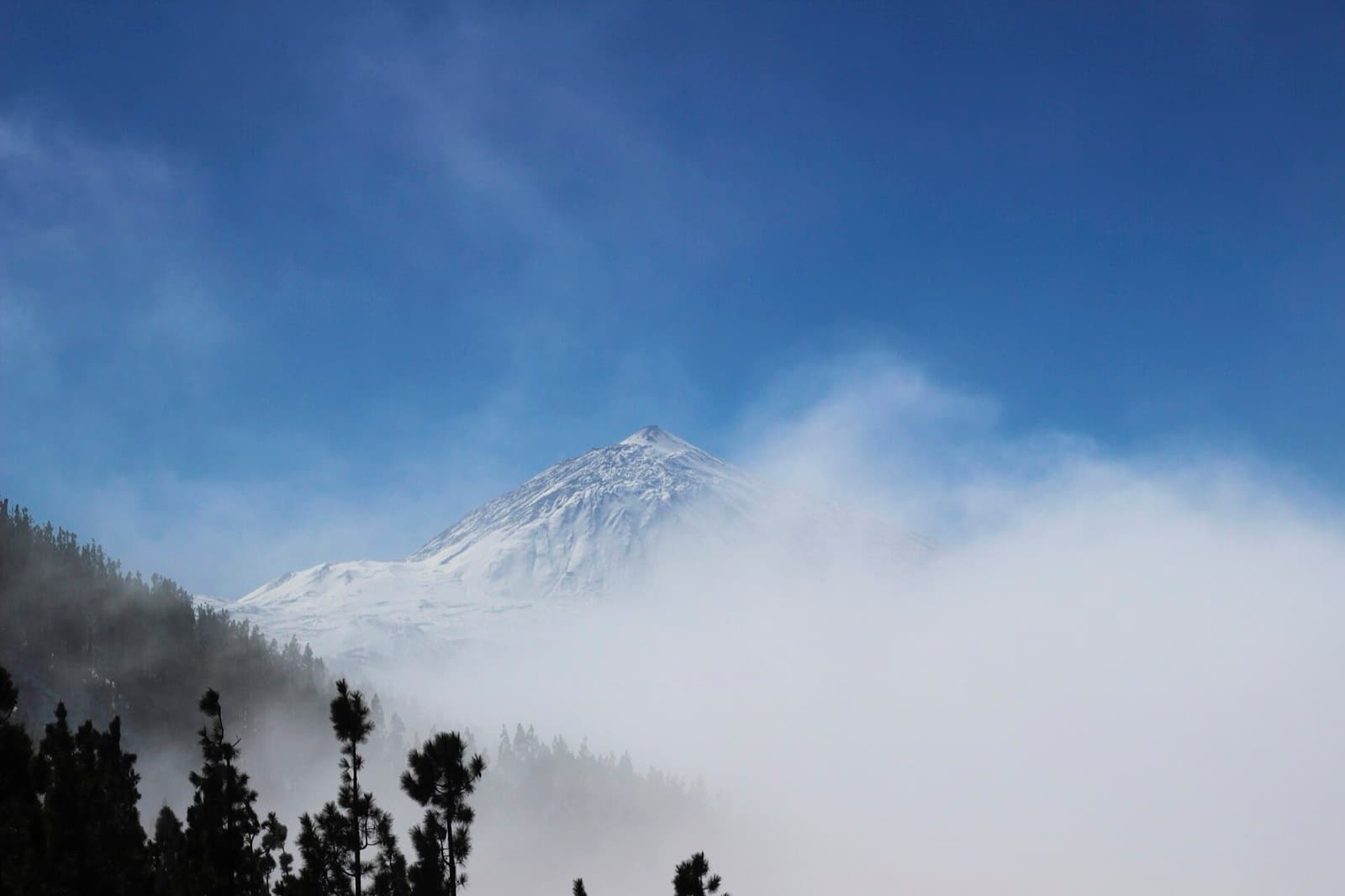
Mount Teide (3,718m) is often snow-capped in winter, creating a spectacular contrast with the warm coastline below. A day trip up to the park is one of the most memorable things you can do in Tenerife — the landscape is unlike anything else in Europe.
From Costa del Silencio: About 1 hour 15 minutes by car.
Beach Days
Yes, you can go to the beach in January. The southern beaches — including Playa de Montaña Amarilla right next to Costa del Silencio — are sheltered and sunny even in the depths of winter. Bring a light wetsuit if you want to swim. Our guide to the beaches near Costa del Silencio covers which ones stay calm and sheltered.
Whale and Dolphin Watching
Southern Tenerife is one of the best places in Europe to see wild cetaceans. Bottlenose and pilot whales are resident year-round. Winter boat trips from Los Cristianos and Las Galletas run regularly.
Walking and Cycling
The cooler winter temperatures make walking and cycling much more enjoyable than the summer heat. The coastal paths around Costa del Silencio and the Montaña Roja nature reserve are beautiful — routes and day trips are in our things to do in Costa del Silencio guide.
Things to Pack for a Winter Trip to Tenerife
- Light summer clothes for daytime (t-shirts, shorts)
- A light jacket or cardigan for evenings
- Sunscreen — UV levels are high even in winter
- Reef shoes for volcanic beaches
- Layers if you're planning to go up to Teide
Book direct and save 5%
We'll email you a discount code for booking Villa de Marcos with no platform fees. One email, no spam.
Booking a Villa for Winter
Winter is high season in southern Tenerife, so accommodation books up fast. If you're planning a January to March trip, book as early as possible — and if you're debating between a villa and a hotel, here's the honest comparison.
Villa de Marcos is available year-round and is perfect for groups or families who want space, privacy, and a private pool — even in January. The pool is heated and usable throughout the winter months.
Check availability and contact us to plan your winter escape.
Frequently asked questions
How warm is Tenerife in winter?
The south of Tenerife averages 20-22°C in the daytime in winter, dropping to about 15-17°C in the evenings. Rain is rare in the south and there are 6-7 hours of sunshine a day on average.
Can you swim in Tenerife in winter?
Yes, though the sea is cool at around 19-20°C. The sheltered southern beaches such as Playa de Montaña Amarilla are sunny and usable; many visitors use a light wetsuit to swim comfortably.
Is winter a good time to visit Tenerife?
Yes — it is peak season for good reason. While northern Europe is cold, southern Tenerife is mild and sunny, with full tourism infrastructure, plenty of flights and events like the Santa Cruz carnival in February.
What should I pack for Tenerife in winter?
Light summer clothes for the daytime, a light jacket or cardigan for cooler evenings, sunscreen, reef shoes for volcanic beaches, and warmer layers if you plan to go up to Teide.
Does it snow in Tenerife in winter?
Not on the coast, but Mount Teide at 3,718m is often snow-capped in winter. The contrast between snow on the summit and the warm coastline is one of the island's winter highlights.
More articles
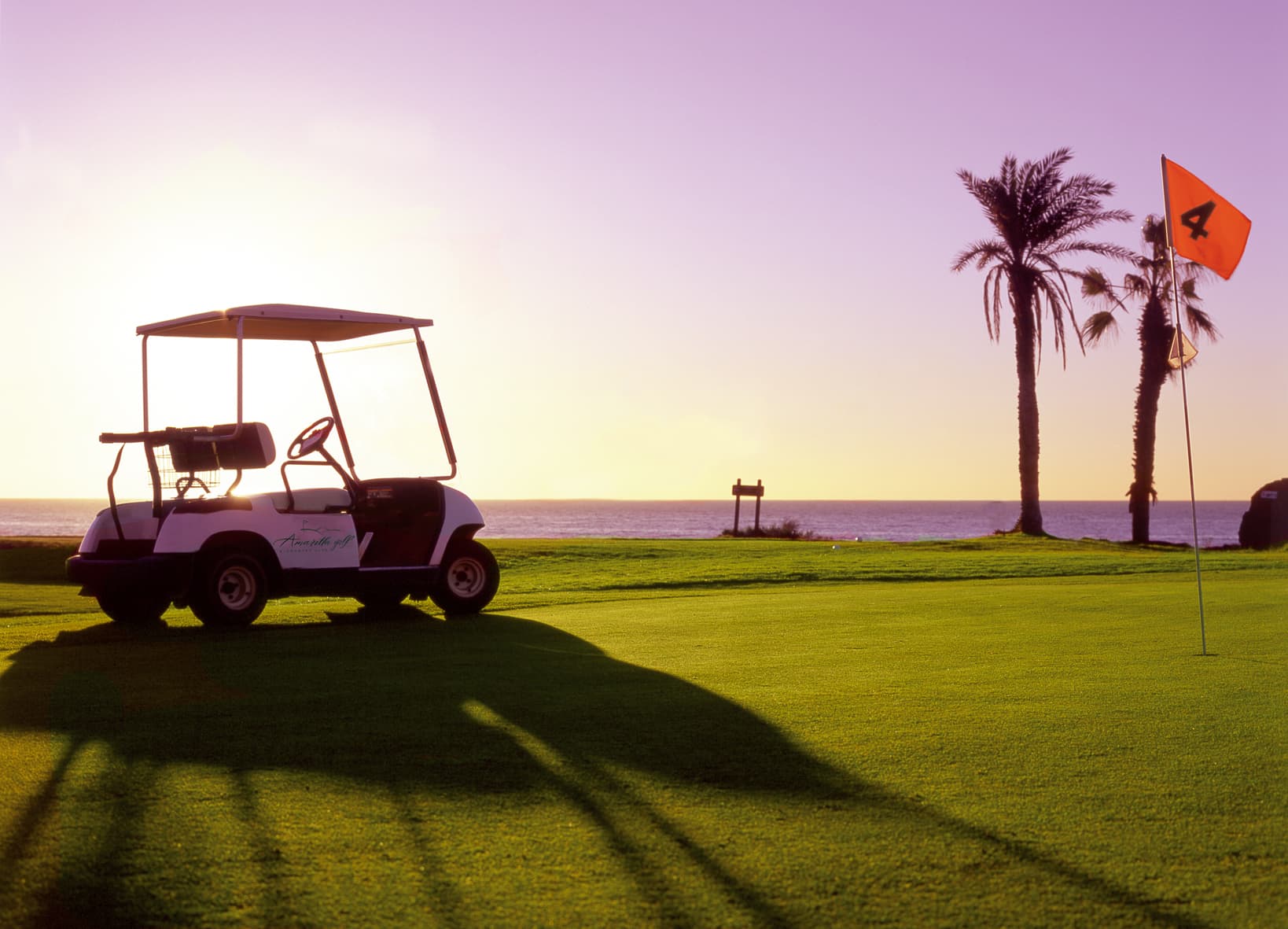
Golf Holidays in South Tenerife: Two Courses on Your Doorstep
Amarilla Golf and Golf del Sur are minutes from Costa del Silencio, with year-round sunshine and ocean-view fairways. How to plan a golf group trip — courses, seasons, and where to stay.
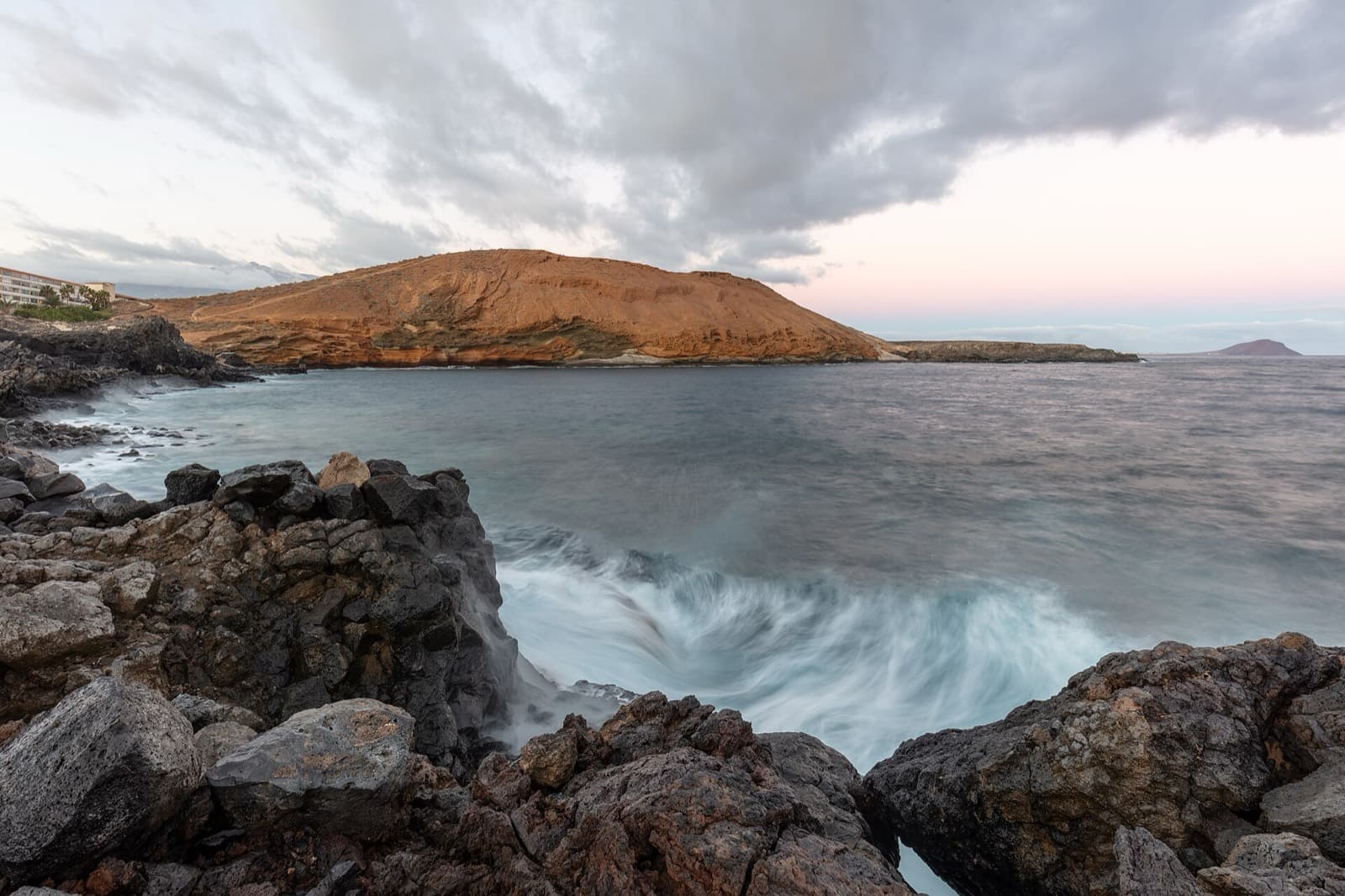
Is Costa del Silencio Worth Visiting? An Honest Answer
Is Costa del Silencio safe, lively, or worth the trip? A straight answer from people who live there — what the area is really like, and who it suits.