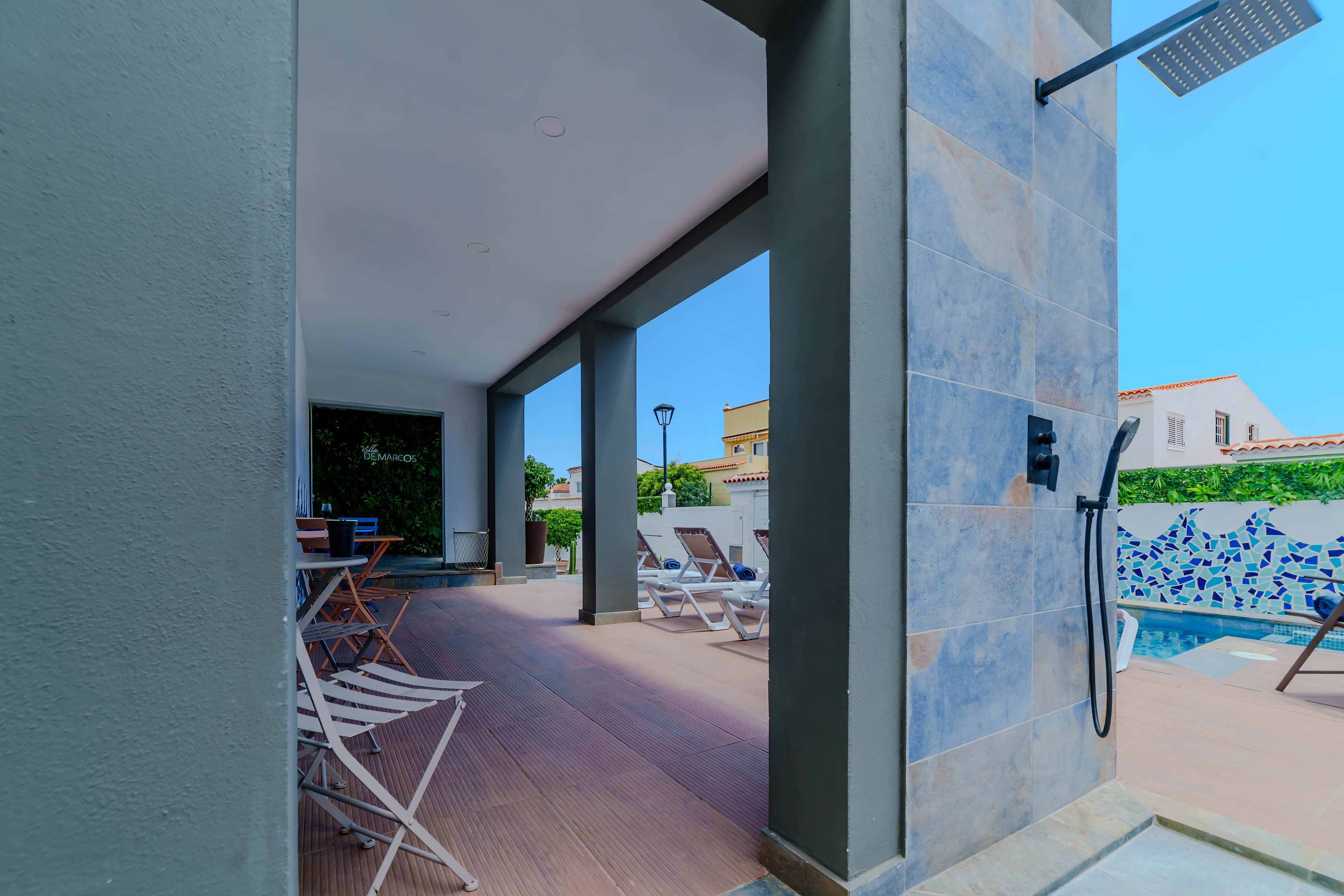
·4 min read·By Villa de Marcos Team
Wheelchair-Accessible Villa Holidays in Tenerife: What to Look For
Why southern Tenerife is one of Europe's best accessible winter-sun destinations, what to check before booking a villa, and how Costa del Silencio compares for reduced-mobility travellers.
Share:WhatsApp
In this article
Tenerife quietly became one of Europe's best destinations for travellers with reduced mobility. The south of the island combines a warm, dry, stable climate — no icy pavements, no sudden downpours — with flat purpose-built resorts, adapted beaches and an infrastructure that has served accessible tourism for decades.
But accommodation is where accessible holidays are won or lost. Here's what to look for, and how a villa in Costa del Silencio fits in.
Why a Villa Beats a Hotel for Accessible Group Travel
Hotels advertise accessible rooms, but the hotel experience is full of friction: long corridors, lift queues, buffet crowds, pool loungers claimed by 8am. For a wheelchair user — or anyone who walks slowly, tires quickly or uses a stick — every meal and every swim involves a journey through a building designed for throughput.
A villa flips that. Everything is yours: the kitchen, the terrace, the pool, the schedule. Nobody is watching you transfer into the water. The car sits next to the door instead of a parking garage three lifts away. And for the mixed groups that accessible travel usually involves — grandparents, parents, kids, a relative with a disability — everyone stays under one roof instead of scattered down a corridor. We've written more about the group maths in our large group accommodation guide and the general case in villa vs hotel.
The Questions to Ask Before Booking Any Villa
Listings love the word "accessible"; wheelchairs care about centimetres. Before booking anywhere — including with us — ask the owner directly:
- Entry: Is there step-free access from the street or parking to the front door? How many steps, if any, and is there space for a portable ramp?
- Sleeping and bathing: Is there a bedroom and a full bathroom on the entry level? A ground-floor bedroom is useless if the only shower is upstairs.
- Doors and turning space: Standard wheelchairs need roughly 75–80cm of clear door width and room to turn in bathrooms.
- The pool: How do you get in — steps, Roman steps with a rail, or a hoist? Shallow-entry steps with a handrail work for many people who can transfer with help.
- Parking: How close can the car get to the door, and is the route paved?
Any owner who answers these precisely is worth trusting. Vague answers are their own answer.
Costa del Silencio: Flat, Quiet, Easy Ground
Location matters as much as the property. Much of Tenerife's west coast — Costa Adeje, Callao Salvaje, Los Gigantes — climbs steep hillsides where a wheelchair or tired legs fight gravity all week.
Costa del Silencio sits on a flat coastal shelf. Streets are wide, residential and nearly traffic-free; the walk to the Las Galletas seafront promenade, ten minutes away, is level the whole way. It's also one of the quietest corners of the south — no strips, no crowds, no scooters weaving down pavements — which is exactly what many accessible travellers are looking for. See things to do in the area for how much sits within easy reach.
Accessible Beaches and Days Out
The south's flagship is Playa de Las Vistas in Los Cristianos, about 20 minutes away: long, sandy, flat-access, with a famous assisted bathing service — amphibious chairs, crewed sea entry, adapted showers. Los Cristianos has been a European accessible-tourism hub since the 1960s, and it shows.
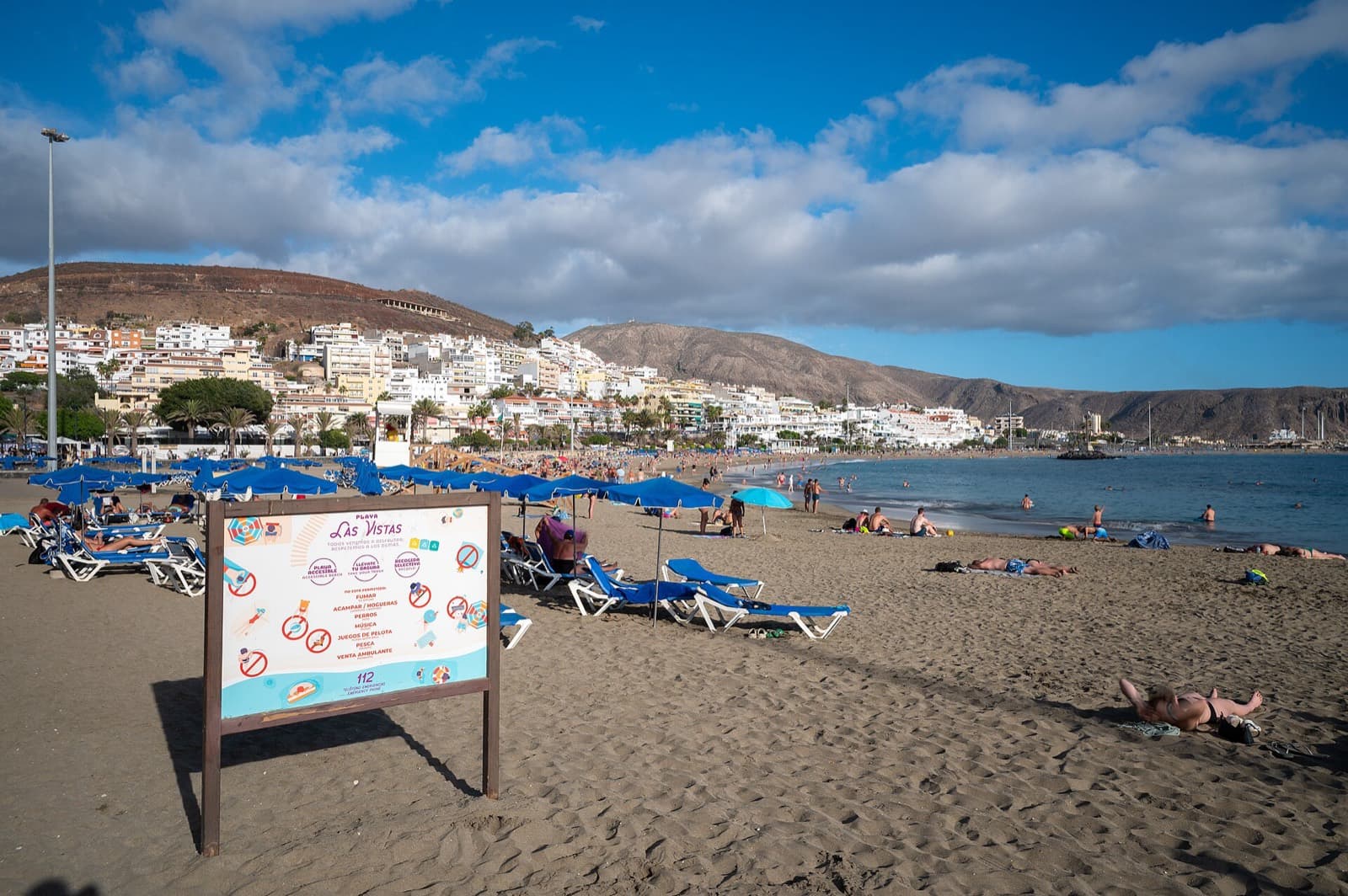 Photo: Tuxyso, CC BY-SA 4.0

Closer to home, the volcanic coast around Costa del Silencio is better for scenery than sea entry, but the flat promenades at Las Galletas make for easy waterfront afternoons. Further afield, Siam Park publishes detailed accessibility information, adapted taxis operate across the south, and several island companies hire out mobility equipment — hoists, shower chairs, powerchairs — delivered to your accommodation.
Book direct and save 5%
We'll email you a discount code for booking Villa de Marcos with no platform fees. One email, no spam.
Our Honest Pitch
Villa de Marcos offers wheelchair-accessible facilities, free on-street parking close by, and a flat, quiet neighbourhood — and disabled guests are genuinely welcome, not merely tolerated.
But accessibility is personal. What works for someone who walks with a stick differs from what a full-time powerchair user needs. So rather than promise "fully accessible" and let you discover the details on arrival, we'd rather you message us on WhatsApp with your specific requirements — entry, bathrooms, door widths, pool access — and we'll answer precisely, with photos and measurements if you need them. If the villa isn't the right fit, we'll say so.
Travelling as a mixed-mobility group? Tell us who's coming when you enquire. With 7 bedrooms and 8 bathrooms across 300 square metres, there's usually a room arrangement that puts everyone where they're comfortable.
Frequently asked questions
Is Tenerife good for wheelchair users?
Yes — southern Tenerife in particular has decades of experience with accessible tourism. The climate is warm and stable year-round, major promenades are flat and well paved, several beaches offer assisted bathing services with amphibious chairs, and adapted taxis and mobility equipment hire are available across the south.
Is Villa de Marcos wheelchair accessible?
The villa offers wheelchair-accessible facilities and disabled guests are very welcome. Because every guest's needs are different, we encourage you to contact us on WhatsApp before booking — tell us what you need (step-free access, bathroom setup, door widths) and we will confirm honestly whether the villa works for you.
Which beaches near Costa del Silencio are accessible?
Playa de Las Vistas in Los Cristianos, about 20 minutes away, is the standout — a long, flat-access sandy beach with a well-known assisted bathing service, amphibious chairs and adapted facilities. Los Cristianos as a whole is one of Europe's most wheelchair-friendly resort towns.
Why choose a villa over a hotel for an accessible holiday?
A villa removes the friction points of hotel life: no long corridors, no waiting for lifts, no crowded buffet. Your group shares one space on your own schedule, you can park next to the property, and a private pool means swimming without an audience. For mixed-mobility family groups it is usually the more relaxing setup.
Is Costa del Silencio flat?
Yes — it is one of the flattest resort areas in southern Tenerife, built on a gentle coastal shelf with wide, quiet residential streets and very little traffic. Resorts further west like Callao Salvaje or parts of Costa Adeje are noticeably steeper.
More articles
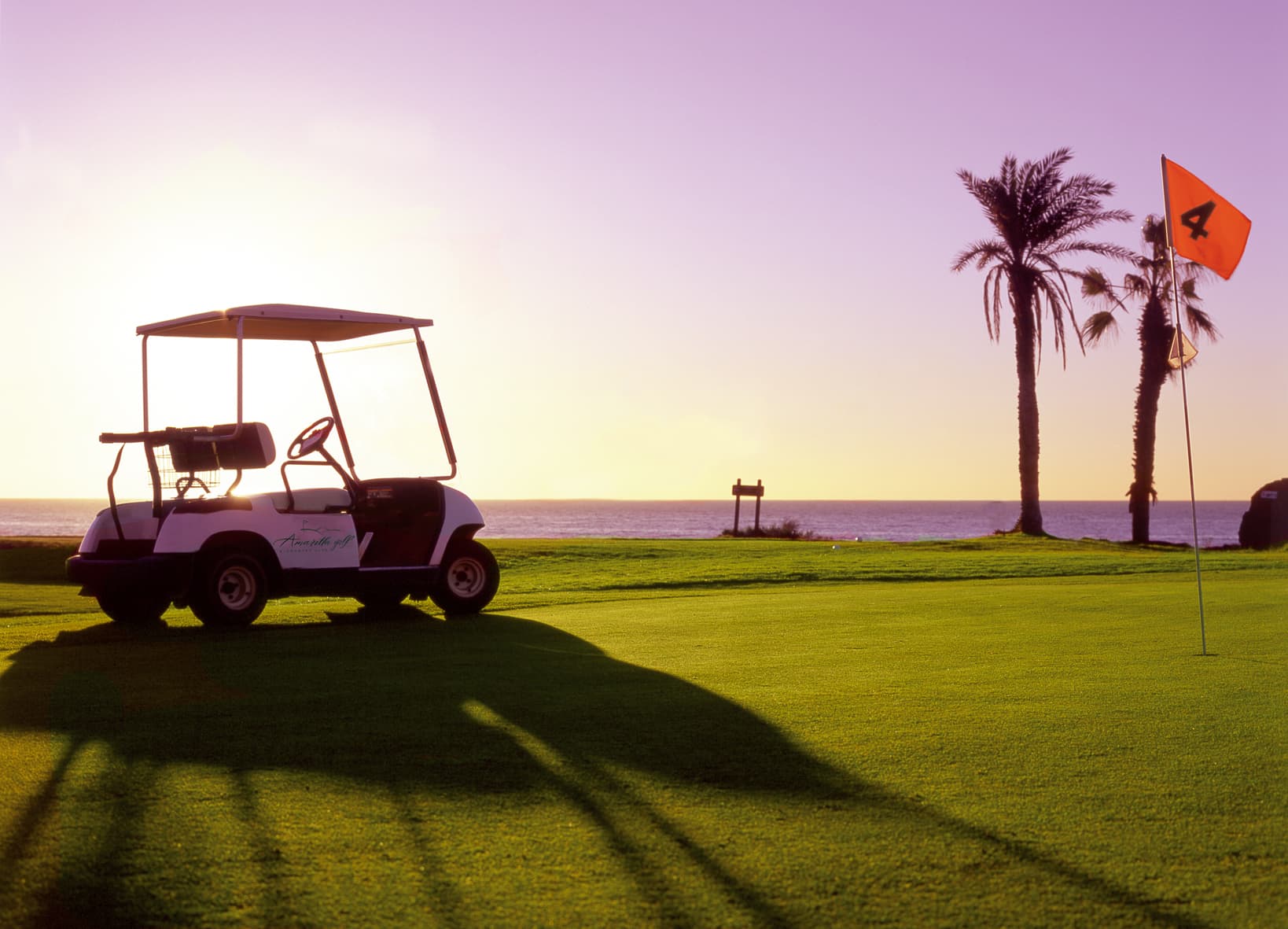
Golf Holidays in South Tenerife: Two Courses on Your Doorstep
Amarilla Golf and Golf del Sur are minutes from Costa del Silencio, with year-round sunshine and ocean-view fairways. How to plan a golf group trip — courses, seasons, and where to stay.
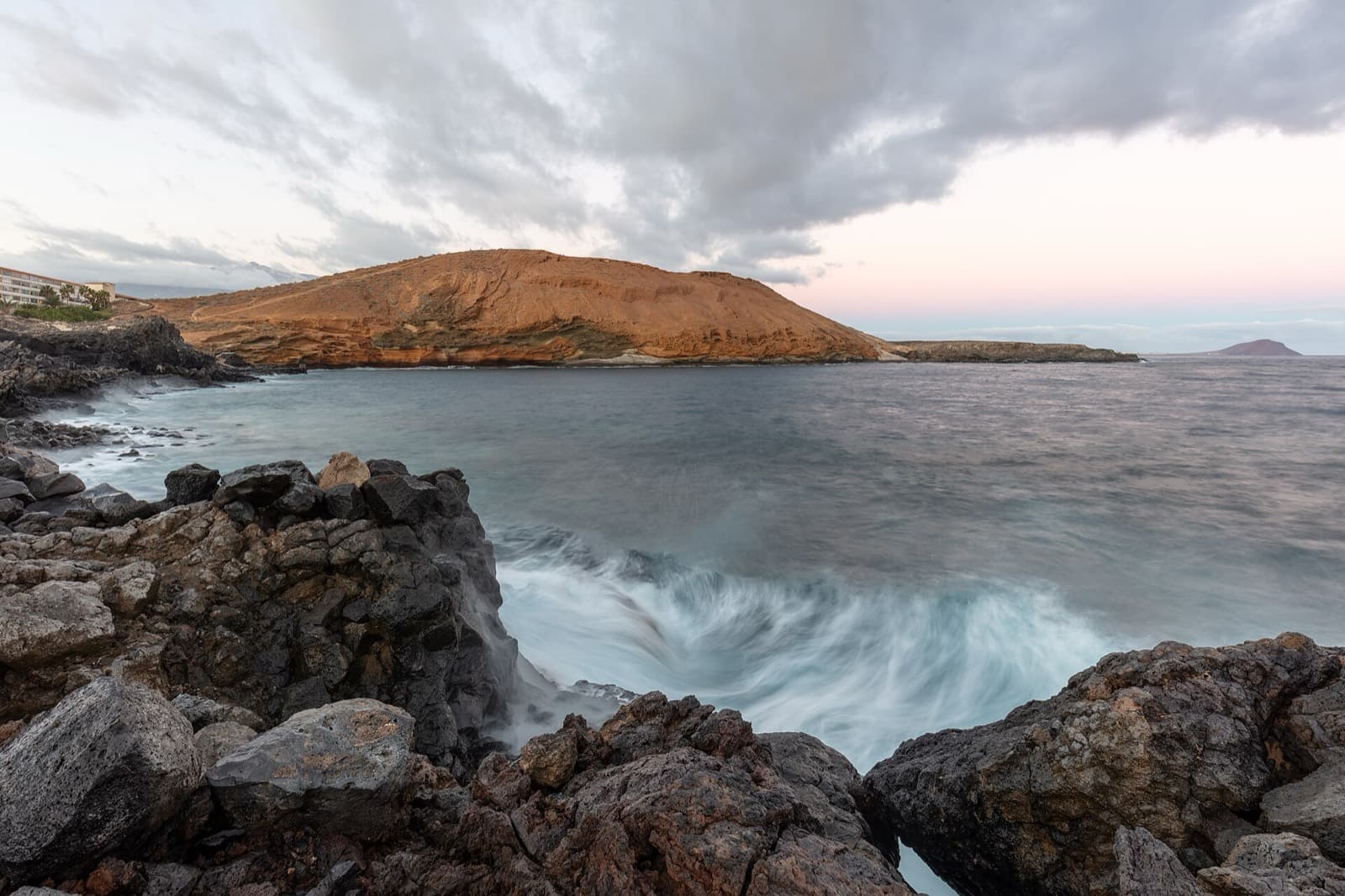
Is Costa del Silencio Worth Visiting? An Honest Answer
Is Costa del Silencio safe, lively, or worth the trip? A straight answer from people who live there — what the area is really like, and who it suits.